In this guide
Quick answer
For a first tea garden, grow German chamomile, peppermint, lemon balm, lemon basil and wild bergamot. Add cinnamon basil, anise and lavender for flavor accents. Most are easy from seed, several come back every year, and a 4 x 4 foot bed makes more tea than most households drink.
Fresh-cut tea from your own garden tastes brighter than anything in a tea bag, and drying a summer's harvest gives you a pantry of tea for winter. This guide is about flavor and growing. It doesn't cover health uses.
Tea herbs and how they taste
| Herb | Part you use | Flavor | Life cycle | From seed |
|---|---|---|---|---|
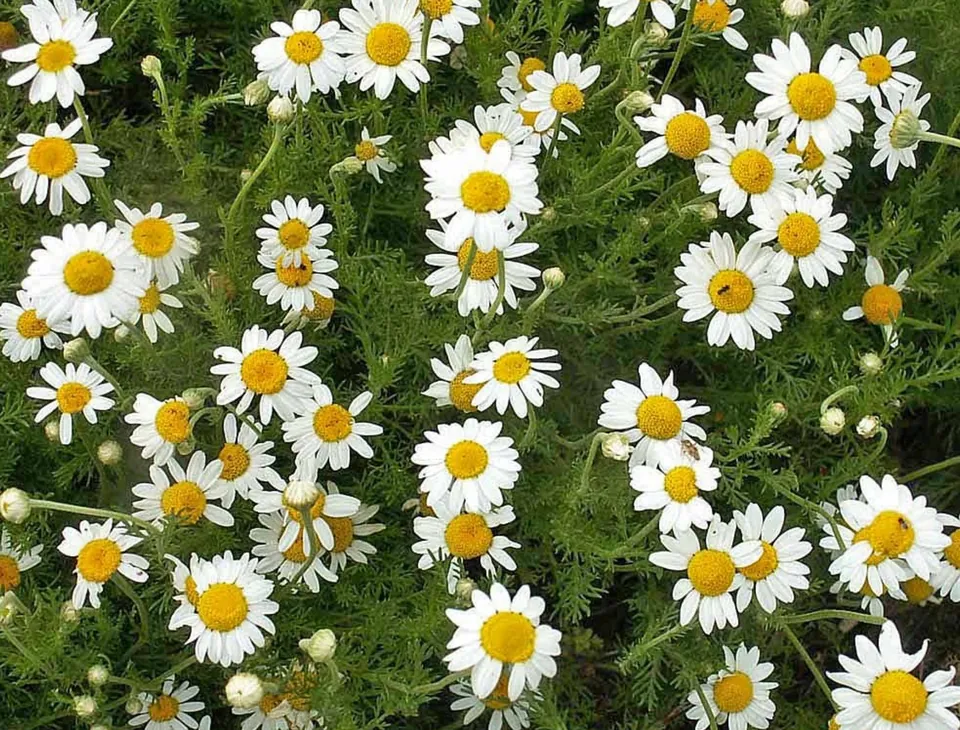
| German chamomile | Flowers | Sweet, apple-like | Annual, reseeds | Easy; surface sow |
| Roman chamomile | Flowers | Stronger, slightly bitter | Perennial | Slower; surface sow |
| Peppermint | Leaves | Cool, sharp mint | Perennial, spreads | Slow from seed; keep moist |
| Lemon balm | Leaves | Soft lemon | Perennial, spreads | Easy; surface sow |
| Lemon basil | Leaves | Bright lemon | Annual | Easy in warm weather |
| Cinnamon basil | Leaves | Warm, spicy | Annual | Easy in warm weather |
| Wild bergamot (monarda) | Leaves and flowers | Oregano-mint, peppery | Perennial | Surface sow; likes a cold spell first |
| Anise | Seeds and leaves | Licorice | Annual | Sow outside; long taproot |
| Lavender | Flowers | Floral; use a pinch | Perennial | Slow; chill seed 3-4 weeks first |
| Sage | Leaves | Savory, earthy | Perennial | Easy |
| Catnip | Leaves | Mild mint (and cats love it) | Perennial | Easy |
A starter tea bed (4 x 4 feet)
- One corner, in a sunken pot: peppermint. Bury a bottomless pot or bucket so its runners don't take over.
- Opposite corner: lemon balm, also contained if you can. It spreads by seed and roots.
- Back: wild bergamot (2-3 feet tall).
- Middle: lemon basil and cinnamon basil.
- Front edge: a band of German chamomile.
Give the bed full sun (at least 6 hours). Mint and lemon balm will take some afternoon shade.
Sowing tips for tea herbs
- Chamomile, lemon balm, bergamot and catnip need light to sprout. Press the seed onto the soil surface and don't bury it. Keep it damp with a mister.
- Chamomile can be sown outdoors in early spring, a few weeks before last frost, or in fall. Indoors, start 6-8 weeks before last frost.
- Basils need warmth. Start indoors 6-8 weeks before last frost and plant out when nights stay above 50°F.
- Lavender is slow. Chill the seed in a damp paper towel in the refrigerator for 3-4 weeks, then sow indoors 10-12 weeks before last frost. Expect patchy germination; sow extra.
- Anise has a taproot. Sow it outside where it will grow, after your last frost.
Harvesting for tea
- Leaves (mint, lemon balm, basils, bergamot, sage): harvest in the morning after dew dries, just before the plant flowers, when flavor oils peak. Cut stems back by up to a third; plants regrow fast.
- Chamomile flowers: pick when petals are fully open and starting to bend back. Pinch heads off with your fingers. Plants keep making new flowers for weeks if you keep picking.
- Lavender: cut stems when the first flowers on the spike open.
- Anise seed: cut seed heads when they turn gray-brown, dry them in a paper bag, then shake the seeds out.
How to dry tea herbs
- Rinse only if dirty and shake dry.
- Tie small bundles and hang them upside down somewhere warm, dark and airy, or spread leaves and flowers on a screen.
- In about 1-2 weeks they should crumble. Strip leaves from stems.
- Store whole leaves (crush them when you brew) in airtight jars, away from light. Use within a year.
A dehydrator on its lowest setting (95-115°F) works in a few hours.
Simple blends to try
- Lemon: lemon balm + lemon basil + a few mint leaves
- Evening cup: chamomile flowers + a pinch of lavender
- Spiced: cinnamon basil + anise seed + a strip of orange peel
- Garden mint: peppermint + bergamot leaves
Start with about 1 tablespoon of fresh leaves (or 1 teaspoon dried) per cup, steep 5 minutes, and adjust.
A note on safety
Identify every plant correctly before you drink it, and buy seed from a source that labels each variety. If you're pregnant, nursing, or take medication, ask your doctor before drinking herbal teas regularly.
Short on outdoor space? Several tea herbs grow in pots, and our guide to windowsill herbs in winter shows which ones handle indoor light. For cooking herbs, see how to start a kitchen herb garden.
Frequently asked questions
What's the easiest tea herb to grow from seed? Lemon balm and German chamomile. Both sprout readily on the soil surface and grow fast.
Can I grow tea herbs in pots? Yes, and for mint and lemon balm it's the best way to keep them from spreading. Use pots at least 8-10 inches wide.
Is wild bergamot the same as the bergamot in Earl Grey? No. Earl Grey gets its flavor from bergamot orange, a citrus fruit. Wild bergamot (monarda) is a native North American herb with an oregano-mint taste.